The Bwiti Roots of Ibogaine: From Ceremony to Modern Medicine
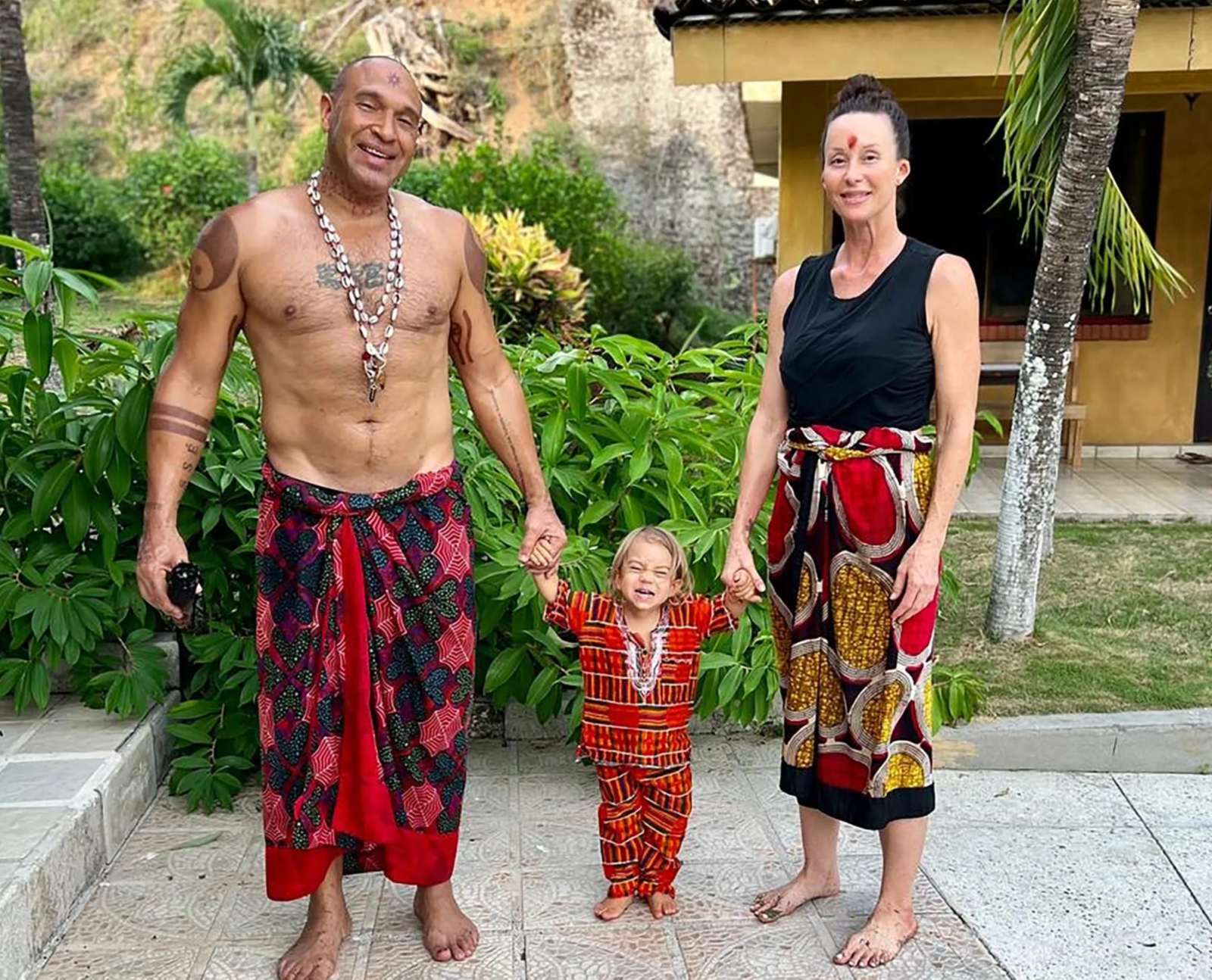
Long before ibogaine appeared in addiction treatment clinics, it was central to a spiritual practice in Central Africa known as Bwiti. Understanding where this substance comes from, and the cultural weight it carries, gives useful context to anyone considering it as a modern therapeutic tool.
What Bwiti Practice Looks Like
Bwiti is a syncretic spiritual tradition practiced primarily in Gabon, Cameroon, and parts of the Republic of Congo. Practitioners consume the root bark of the Tabernanthe iboga shrub during initiation ceremonies that can last for days. The experience is framed as a journey, often described as meeting ancestors, confronting personal history, or receiving guidance. Initiates are supported throughout by experienced community members who sing, drum, and watch over the person physically and spiritually.
This is not recreational use in any sense. The ceremony is structured, communal, and tied to rites of passage, healing from illness, or resolving conflict within the community. The dosing, timing, and setting have been refined over generations of observation, long before anyone understood the pharmacology involved.
How the Plant Reached Western Medicine
Ibogaine's journey into Western addiction treatment began somewhat by accident. In 1962, a young heroin user named Howard Lotsof took the substance recreationally and noticed his opioid cravings and withdrawal symptoms disappeared afterward. That observation sparked decades of underground experimentation, advocacy, and eventually formal research into ibogaine's interaction with opioid receptors and its effects on withdrawal.
What emerged was a strange hybrid: a substance rooted in African spiritual ceremony, now studied by neuroscientists and administered in clinical settings in countries where it remains legal, often framed in purely medical terms. Some clinics try to preserve elements of the original context, like ceremonial music or a focus on intention-setting, while prioritizing the cardiac monitoring and medical oversight that a ceremonial setting never required.
Comparisons to Other Plant Medicines
People researching ibogaine often compare it to ayahuasca, another plant-based substance with ceremonial origins now used in therapeutic contexts. The comparison is useful but imperfect. Ayahuasca sessions are typically shorter, repeated over several nights, and carry a different physiological risk profile than ibogaine's single, prolonged dose. Readers wanting a deeper breakdown of these differences can find a detailed comparison on the ibogaine vs ayahuasca page on Ibogaine Club, which lays out the pharmacological and experiential contrasts.
Respecting the Origins While Addressing Modern Risk
A tension exists between honoring where ibogaine comes from and adapting it for a population with different health profiles than the Gabonese communities who developed its use. Western patients seeking ibogaine for addiction treatment often carry cardiac risk factors, polysubstance use histories, or medication interactions that traditional Bwiti practitioners never had to account for. This is precisely why clinics such as Transcend Clinic emphasize pre-treatment cardiac screening, continuous monitoring during the session, and a licensed medical team on site, protocols that didn't exist in the ceremonial context but are necessary given who is now seeking this treatment and why.
The Bwiti tradition deserves recognition as the origin of this medicine, not just a footnote in a clinical brochure. At the same time, modern ibogaine providers have a responsibility to adapt the practice with rigorous safety standards that reflect current medical understanding of the plant's risks, something the original ceremonial context, for all its wisdom, was never designed to address.