
Animals That Start With the Letter T: 10 Fascinating Species
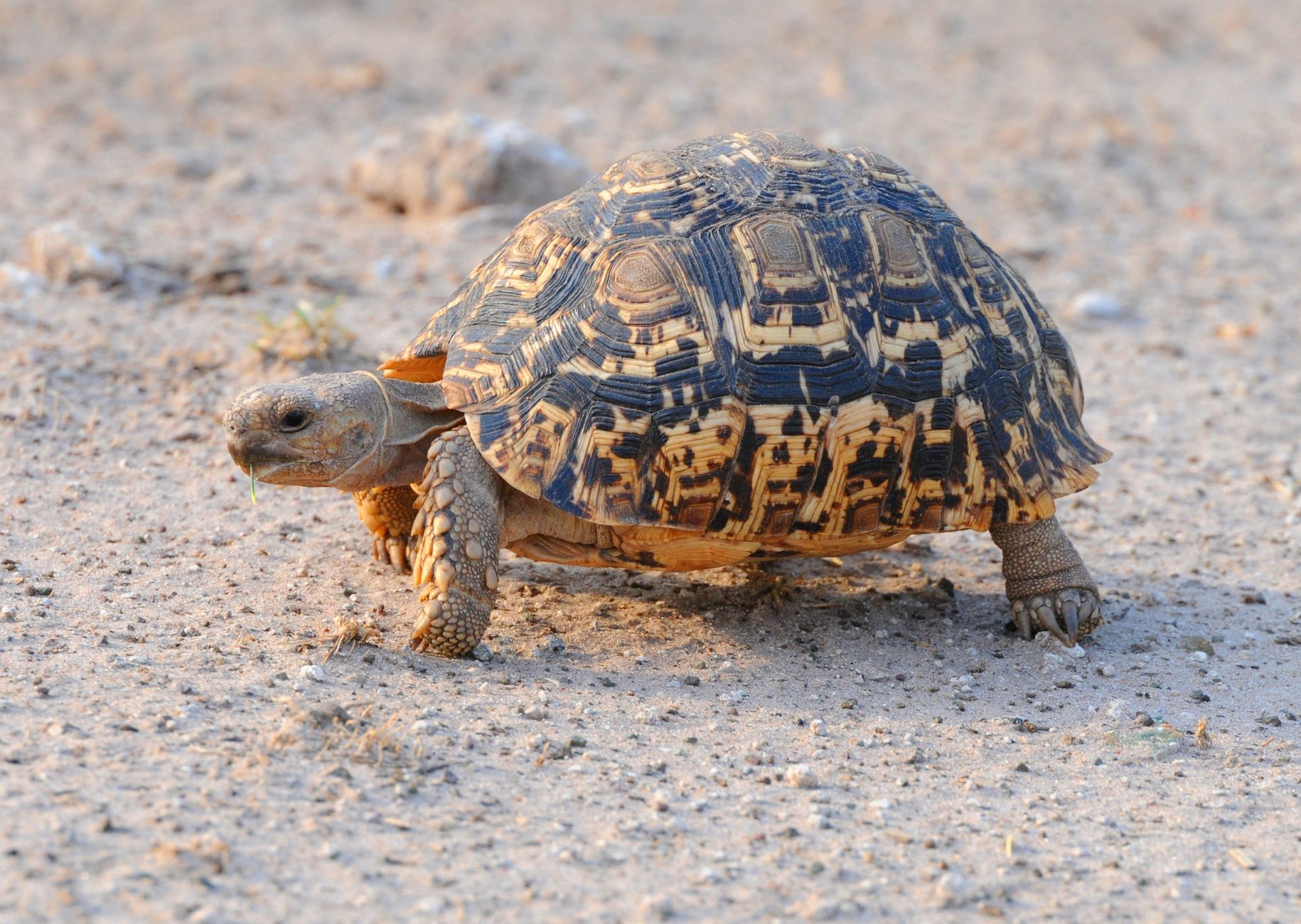
Animals that start with the letter T make up one of the most varied groups you can explore — spanning every continent, every size class, and nearly every habitat on Earth. From the freezing Arctic to the dense Amazon basin, T-named creatures show up everywhere. Some are famous. Others you’ve probably never heard of, which makes them even more interesting.
This list focuses on 10 real species, skipping the generic overviews in favor of specific facts: weights, ranges, behaviors, and a few things that might genuinely change how you think about each animal.
Tiger — The Largest Wild Cat on Earth
The tiger is the heaviest of all wild cats. A Siberian tiger can weigh up to 660 pounds and measure over 10 feet from nose to tail. Unlike most big cats, tigers actively seek water and are strong swimmers — they’ve been recorded crossing rivers more than 4 miles wide. Fewer than 4,500 remain in the wild today.
Tapir — A Living Fossil With a Flexible Snout
Tapirs have changed very little in roughly 20 million years, which is remarkable. They use their prehensile nose to grip leaves and pull branches toward their mouths. Four species exist — three in Central and South America, one in Southeast Asia. The Malayan tapir, the largest of the four, can weigh up to 800 pounds. Despite their bulk, they’re fast in water and excellent divers.
Tardigrade — Nearly Indestructible at 0.5 mm
The tardigrade, sometimes called a water bear, is among the most resilient organisms ever studied. These microscopic animals survive temperatures from -458°F to 300°F, intense radiation, and even the vacuum of space. Scientists sent them to the International Space Station in 2007, and many survived. They’re found in every environment on Earth, from deep ocean trenches to Himalayan glaciers.
Toucan — That Bill Is Smarter Than It Looks
A toucan’s beak can account for up to one-third of its total body length. It’s not just for show — the beak acts as a heat-regulation system, releasing body heat much the way an elephant’s ears do. Toucans live in the rainforests of Central and South America and eat mostly fruit, though they’ll raid other birds’ nests for eggs when given the chance.
Tasmanian Devil — Small, Loud, and Ferocious
The Tasmanian devil is the world’s largest carnivorous marsupial, maxing out around 26 pounds. Its jaw produces one of the strongest bites relative to body size of any land mammal. They’re also famously loud — their screams carry for miles at night. A contagious facial cancer called Devil Facial Tumor Disease has wiped out more than 80% of the wild population since the 1990s.
Tarsier — Eyes Bigger Than Its Brain
Tarsiers are small primates found in Southeast Asia, and their eyes are literally larger than their brains. Each eye is fixed in its socket, so tarsiers rotate their heads nearly 180 degrees to scan for prey — like owls. They’re the only fully carnivorous primates alive, eating insects, small lizards, and occasionally bats. Their ankle bones are elongated for leaping distances up to 40 times their body length.
Quick Comparison: 4 T Animals by Size
| Animal | Max Weight | Habitat |
|---|---|---|
| Tiger | 660 lbs | Asia |
| Tapir | 800 lbs | Asia / Americas |
| Tasmanian Devil | 26 lbs | Tasmania, Australia |
| Tarsier | 0.3 lbs | Southeast Asia |
Frequently Asked Questions
What is the most dangerous animal that starts with T?
The tiger claims this title for land animals, responsible for dozens of human fatalities annually in parts of India and Bangladesh. The box jellyfish — sometimes listed under its genus Tripedalia — rivals it in lethality at sea.
Are there any T animals that are endangered?
Yes, several. Tigers, tapirs, and tarsiers all appear on the IUCN Red List. The Sumatran tiger is classified as Critically Endangered, with fewer than 400 individuals estimated to survive in the wild.
Why Animals That Start With the Letter T Deserve More Attention
Animals that start with the letter T represent an unusually wide slice of the animal kingdom — from microscopic tardigrades to 800-pound tapirs. They live in rainforests, tundras, ocean floors, and even outer space (in a sense). Studying them side by side highlights just how different evolutionary pressures can produce wildly different survival strategies, all beginning with the same letter by coincidence.
For more pieces like this one, browse the rest of our Blog coverage.