
Portugal Dual Citizenship: Requirements & Benefits 
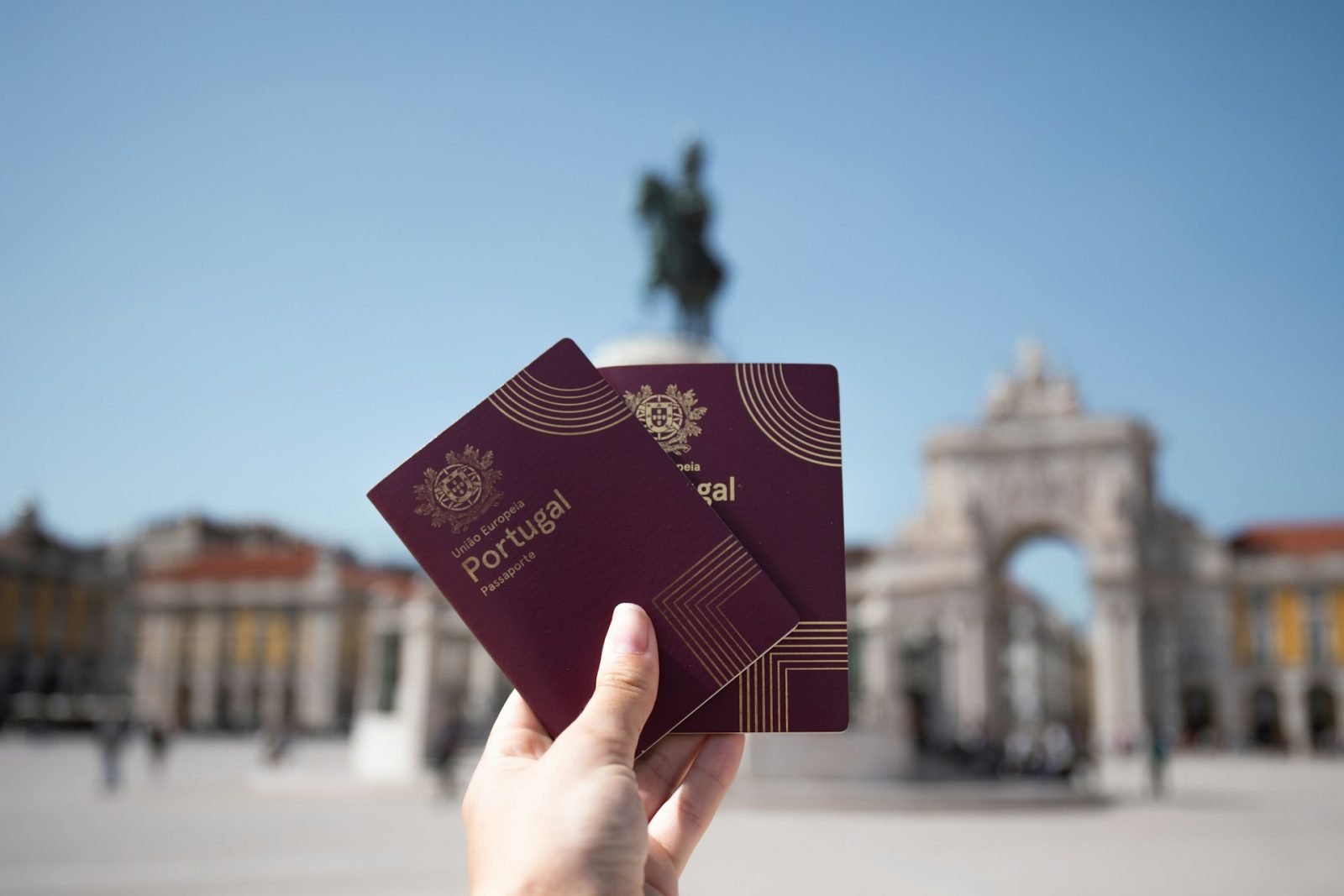
One of the biggest attractions of becoming a Portuguese citizen is that Portugal generally allows dual citizenship. In practical terms, a person can acquire Portuguese nationality without Portugal requiring them to give up their existing citizenship.
For Americans, Canadians, British citizens and nationals of many other countries, this can mean holding two passports and maintaining rights in both countries.
However, Portugal’s rules are only half of the equation. You also have to be allowed to keep your present nationality if you become Portuguese.
Does Portugal Allow Dual Citizenship?
Yes. Portuguese nationality law generally permits dual and multiple citizenship.
Portugal does not normally require a foreign national to renounce their existing citizenship when acquiring Portuguese nationality. Likewise, a Portuguese citizen who voluntarily acquires another nationality does not automatically lose Portuguese citizenship.
This means someone could potentially be both Portuguese and American, Portuguese and British, or Portuguese and Canadian.
In some cases, a person can be a national of three or even more countries, provided that each country allows it.
Which Countries Allow Dual Citizenship with Portugal?
Many countries permit their nationals to acquire Portuguese citizenship while retaining their original nationality.
The United States, United Kingdom, Canada, Australia and several European countries generally allow dual nationality, although individual circumstances should always be checked.
Other countries take a very different approach.
India, for example, does not permit full dual citizenship. An Indian citizen who voluntarily acquires Portuguese citizenship cannot simply retain Indian citizenship as a second nationality. Instead, former Indian citizens can apply for Overseas Citizen of India or OCI status, giving them many rights but not Indian citizenship.
So, anyone considering dual citizenship in Portugal should check Portuguese and their current nationality law before applying.
How Can You Obtain Portuguese Citizenship?
Portugal has a few routes to nationality, with requirements based on the circumstances of the applicant.
Citizenship can be acquired by: legal residence in Portugal, marriage to a Portuguese citizen, Portuguese parents or grandparents, adoption and other connections with Portugal.
The residence route is particularly relevant to foreigners who have moved to Portugal under residence permits such as the D7, D8 or Golden Visa.
Portugal amended its nationality rules in 2026. The residency requirement for naturalization under the current scheme is normally 10 years for most third-country nationals and 7 years for EU and CPLP citizens, subject to the other legal requirements.
Anyone considering naturalization should therefore review the current requirements for Portuguese citizenship rather than relying on older information about Portugal’s previous five-year citizenship rule.
What About Citizenship Through Marriage?
Marriage provides a separate pathway.
A foreign national married to a Portuguese citizen for more than three years may apply for Portuguese nationality, subject to the applicable requirements.
The three-year point creates eligibility to apply; it does not mean nationality is automatically granted.
Applicants may need to demonstrate an effective connection to the Portuguese national community depending on their circumstances. The duration of the marriage and whether the couple has Portuguese children can be particularly relevant.
If the marriage took place abroad, it will normally need to be registered in the Portuguese civil registry before the nationality application proceeds.
Portugal’s acceptance of dual nationality means the successful spouse is not generally required by Portugal to renounce their original citizenship.
What Are the Benefits of Portuguese Dual Citizenship?
The most significant advantage is that Portuguese citizenship also provides citizenship of the European Union.
A Portuguese citizen has the right to live, work and study not only in Portugal but throughout EU countries under European free-movement rules.
For someone originally from the United States, Canada or the UK, this represents a major difference from simply holding a Portuguese residence permit.
Portuguese citizenship also provides voting and other civic rights, subject to the applicable rules, and allows the holder to obtain a Portuguese passport.
The Portuguese passport provides extensive international travel access. Those considering nationality partly for international mobility can review the countries accessible through Portuguese passport visa-free travel.
Dual Citizenship vs Permanent Residence
Permanent residence and citizenship are not the same.
A permanent resident can live indefinitely in Portugal subject to the applicable residence rules, but remains a citizen only of their existing country or countries.
A Portuguese citizen acquires a fundamentally different legal status, including EU citizenship and the associated right to free movement within the European Union.
For someone who wants to remain permanently in Portugal but has no interest in acquiring another nationality, permanent residence may be sufficient.
For someone seeking full political and EU citizenship rights, Portuguese nationality offers substantially more.
Do Dual Citizens Need Two Passports?
Dual citizens may or may not have a valid passport for each country of nationality.
Which passport to use depends on the trip and the laws of the countries involved.
Some countries, for example, require their own citizens to enter and leave with that country’s passport. A dual Portuguese-American citizen may therefore need to consider US rules when travelling to the United States and Portuguese or EU documentation when exercising EU free-movement rights.
Having two passports doesn’t mean that a person can decide which nationality applies to a given legal situation. Each country can treat that individual as its citizen when they are within its jurisdiction.
Does Dual Citizenship Affect Taxes?
Being a Portuguese citizen does not automatically make one a Portuguese tax resident.
Tax residence is generally determined by factors such as where someone lives, how much time they spend in a country and other connecting circumstances.
A Portuguese citizen living permanently in Canada, for example, does not become Portuguese tax resident merely because they hold a Portuguese passport.
Tax obligations can nevertheless become more complex when people live, work, own property or receive income across several countries.
Citizenship and tax residence should therefore be treated as separate questions.
Can Portuguese Dual Citizenship Be Passed to Children?
Portuguese nationality can often create opportunities for the next generation.
Children of Portuguese citizens, irrespective of place of birth, may also acquire Portuguese nationality on meeting the requirements for registration and nationality.
This can make dual citizenship particularly advantageous for families. Acquiring Portuguese nationality may create not only personal rights for the applicant but also potential European citizenship rights for children and future generations.
Should you think about dual citizenship in Portugal?
Acceptance of dual and multiple nationality is one of the most powerful features of the Portuguese system of nationality.
For many applicants, becoming Portuguese does not require choosing between Portugal and their country of origin. They may be able to retain their existing citizenship while gaining Portuguese and EU citizenship.
The crucial point is to check both sides. Portugal allows dual citizenship, but your original country may not.
For anyone eligible for Portuguese nationality, understanding that distinction should be one of the first steps before beginning the application.