
Factors That Can Increase Your EV Charger Installation Cost
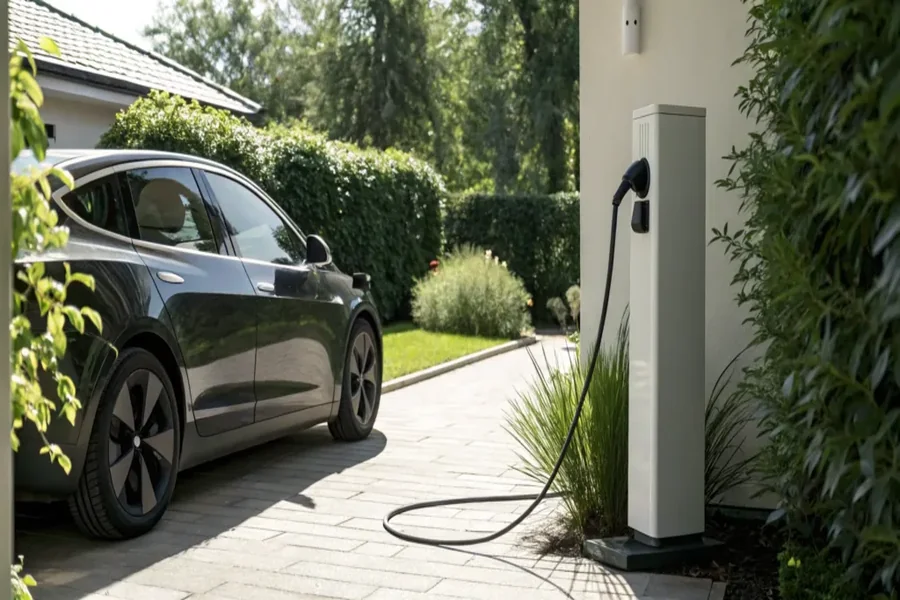
Installing an electric vehicle (EV) charger at home is a practical upgrade that can make charging more convenient and accessible. However, the cost to install an EV charger can vary depending on several factors, including your property’s electrical system, charger type, installation requirements and the complexity of the work involved.
Dynamic Group helps homeowners and businesses understand their EV charging needs and provides professional electrical solutions for safe and reliable installations.
While some installations may be straightforward, others require additional electrical work, upgrades or adjustments before a charger can be installed. Understanding what affects pricing can help you prepare for the project and make informed decisions about your EV charging setup.
Type of EV Charger Selected
One of the main factors that influences installation costs is the type of EV charger you choose. Different chargers have different power outputs, features and installation requirements.
Common EV charger options include:
- Standard home chargers
- Faster Level 2 chargers
- Smart EV chargers with app controls
- Commercial charging stations
A basic charger may require less complex installation, while higher-powered systems may need additional electrical capacity and specialised equipment.
Smart chargers, which allow users to monitor charging activity, schedule charging times and manage energy usage, may also increase the overall project cost due to their additional technology and setup requirements.
Choosing the right charger depends on your vehicle, charging needs and the electrical capabilities of your property.
Existing Electrical System Capacity
Your home’s existing electrical system plays an important role in determining installation costs. Some properties may already have enough capacity to support an EV charger, while others may require upgrades.
An electrician may need to assess:
- Switchboard capacity
- Available circuits
- Electrical load
- Existing wiring
- Power supply requirements
If your electrical system cannot support the charger safely, additional work may be required before installation can proceed.
Older homes may require more upgrades because their electrical systems were not designed to handle modern energy demands from EV charging equipment.
Need for a Switchboard Upgrade
A switchboard upgrade can significantly increase the overall cost of an EV charger installation. This may be necessary if your current switchboard does not have enough capacity or does not meet current safety requirements.
A switchboard upgrade may involve:
- Replacing outdated components
- Installing additional circuit protection
- Increasing electrical capacity
- Improving system safety
Although this adds to the initial cost, upgrading your switchboard can improve the safety and reliability of your electrical system.
Kyle Hambley explains that assessing the existing electrical infrastructure before installation is essential. Identifying potential limitations early helps prevent unexpected costs and ensures the charger can operate safely.
Distance Between the Switchboard and Charger Location
The location of your EV charger can also affect installation costs. The further the charger is from your switchboard, the more complex the installation may become.
Longer distances may require:
- Additional cabling
- More labour time
- Extra protective equipment
- More complex cable routing
For example, installing a charger close to an existing switchboard may be relatively simple, while installing one in a detached garage or far side of a property may require additional planning.
During an initial assessment, an electrician can determine the most practical location while considering both convenience and installation requirements.
Installation Location and Accessibility
Where the EV charger is installed can influence the complexity of the work. Different properties present different challenges depending on their layout and accessibility.
Factors that may affect installation include:
- Garage access
- Outdoor installation requirements
- Wall materials
- Underground cable requirements
- Limited workspace
A charger installed on an accessible wall may require less labour compared with a setup that requires drilling, trenching or complex cable installation.
Professional planning can help identify the most efficient installation approach for your property.
Cable Installation Requirements
The cabling required for an EV charger can affect both materials and labour costs. Higher-powered chargers often require specific cable sizes to safely handle the electrical load.
Installation requirements may depend on:
- Charger power rating
- Cable length
- Installation pathway
- Electrical regulations
- Property layout
If cables need to be installed through walls, ceilings, outdoor areas or underground pathways, the additional work can increase the total cost.
A qualified electrician can determine the correct cable requirements based on your charger and property.
Additional Safety Equipment
Some EV charger installations may require additional safety equipment to ensure the system operates correctly and complies with electrical standards.
Additional components may include:
- Dedicated circuits
- Safety switches
- Surge protection
- Circuit breakers
- Weatherproof equipment for outdoor chargers
These components help protect the charger, vehicle and electrical system from potential issues.
Although additional safety features may increase upfront costs, they can improve the long-term reliability of your EV charging setup.
Permits, Compliance and Electrical Requirements
EV charger installations must meet relevant electrical safety requirements. Depending on your location and installation type, additional compliance considerations may apply.
Costs may increase if the installation requires:
- Electrical inspections
- Compliance documentation
- Additional approvals
- Adjustments to meet regulations
Working with a licensed electrician helps ensure the installation meets required standards and reduces the risk of issues later.
Dynamic Group provides professional electrical services to help customers complete EV charger installations safely and in line with relevant requirements.
Commercial EV Charger Installations
Commercial EV charger installations often involve more complex requirements compared with residential setups. Businesses may need multiple charging stations, higher power capacity and additional infrastructure.
Factors that can increase commercial installation costs include:
- Multiple charging points
- Increased electrical demand
- Larger site requirements
- Networked charging systems
- Ongoing maintenance needs
Commercial properties may also require more detailed planning to ensure chargers can support employee, customer or fleet charging needs.
Existing Property Conditions
The condition and design of your property can also influence installation costs. Every installation is different, and certain property features may require additional work.
Examples include:
- Older electrical wiring
- Difficult cable access
- Limited switchboard space
- Long cable routes
- Outdoor installations
A professional assessment helps identify these factors before work begins, allowing you to better understand the expected costs.
Kyle Hambley notes that every property has different electrical requirements, so a site assessment is an important step in providing an accurate installation plan and avoiding unexpected changes during the project.
Choosing the Right EV Charger Installer
Selecting an experienced electrician is an important part of managing EV charger installation costs. A professional installer can recommend suitable equipment, identify potential challenges and complete the work safely.
A reliable installer should be able to:
- Assess your electrical system
- Recommend suitable charger options
- Explain installation requirements
- Provide transparent pricing
- Complete testing after installation
Choosing based only on the lowest price may lead to issues if the installation does not properly account for your property’s needs.
Plan Your EV Charger Installation Carefully
The cost of installing an EV charger depends on more than the charger itself. Factors such as electrical upgrades, installation location, cabling requirements and property conditions can all influence the final price.
By understanding these factors, homeowners and businesses can plan their budgets more effectively and choose a charging solution that suits their needs.
Dynamic Group helps customers navigate EV charger installations by providing professional advice, electrical assessments and reliable installation services.
Kyle Hambley highlights that proper planning is key to achieving a safe and efficient EV charging setup. A detailed assessment before installation helps ensure the system is suitable for the property and ready for long-term use.
With the right preparation and support from qualified electricians, installing an EV charger can be a valuable investment that improves convenience and supports the transition to electric vehicles.