Colors That Start With T: 14 Shades Worth Knowing
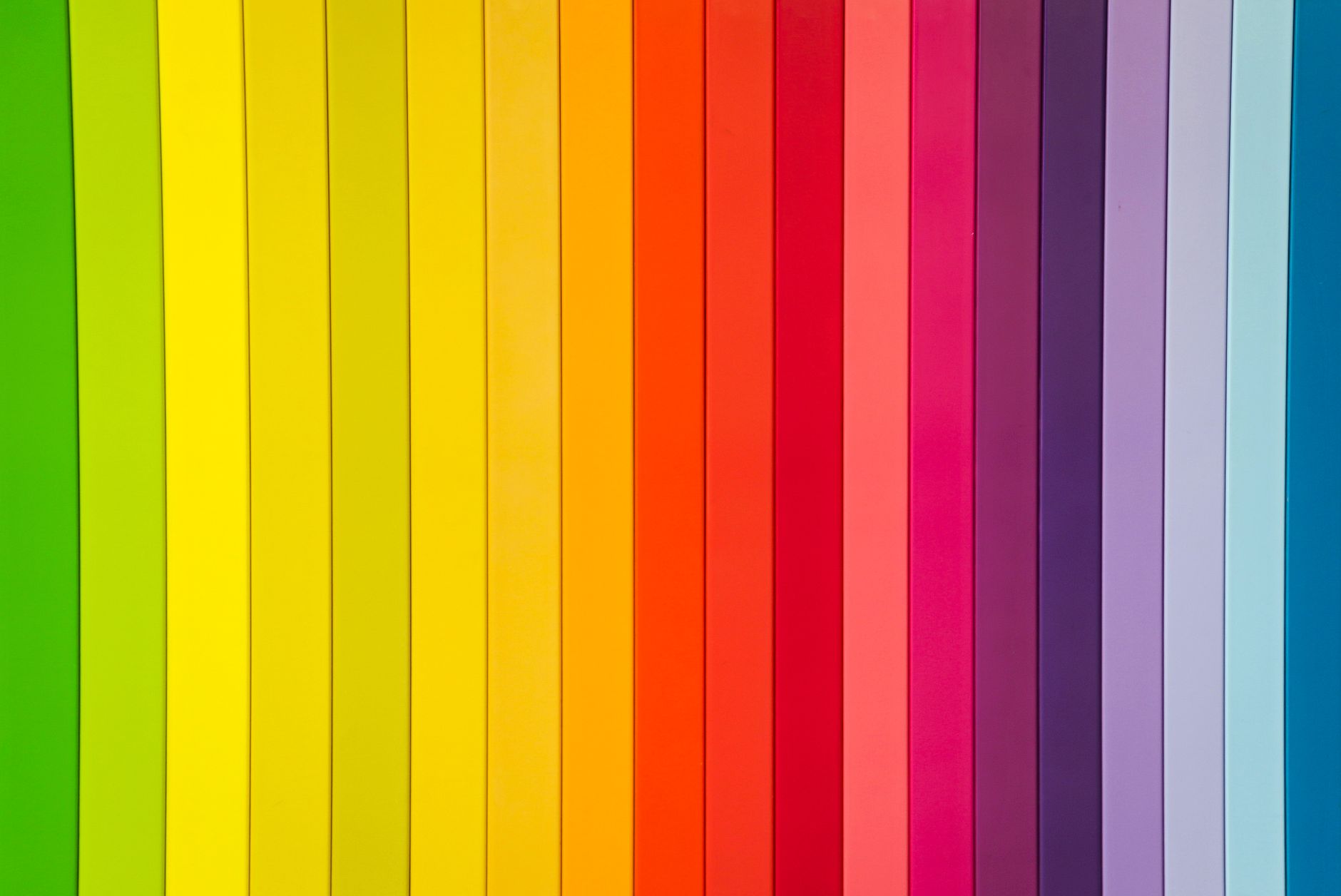
The list of colors that start with T is longer and more varied than most people expect. From the warm dustiness of taupe to the electric pop of turquoise, these shades span virtually every corner of the color wheel. Whether you’re decorating a room, picking a brand palette, or just settling a trivia argument, knowing these names gives you a real edge.
Some of them are ancient — teal, for instance, takes its name from the Eurasian teal bird and has been used as a color descriptor since at least 1917. Others, like thistle, feel almost poetic. All of them are useful.
Teal: The Color That Does Everything
Teal sits between blue and green, with a hex code typically around #008080. It’s one of the most versatile shades in interior design right now. Pair it with warm brass hardware and natural wood for a look that feels both modern and grounded. It also photographs beautifully, which is why so many lifestyle brands lean on it.
Taupe: The Neutral That Replaced Beige
Taupe is a brownish-gray that quietly became the go-to neutral for home interiors sometime in the 2010s. Its hex value sits around #483C32, though the exact shade varies widely between paint brands. Benjamin Moore’s “Revere Pewter” is probably the most famous taupe in residential design history. It works with almost any accent color, which is exactly why it got overused.
Turquoise: Bold but Approachable
Turquoise runs slightly greener and brighter than teal — closer to #40E0D0. It’s the color of the Caribbean Sea in travel photography and the gemstone worn in southwestern American jewelry. In branding, it signals freshness and energy without the aggression of a pure red or orange. Brands like Tiffany & Co. have built enormous recognition around a very specific shade of it.
Beyond the big three, this category has some genuinely interesting entries:
- Tangerine — a vivid orange around #F28500, warmer and more saturated than a standard orange.
- Thistle — a pale, muted purple-pink (around #D8BFD8) named after the Scottish flower.
- Tan — a light yellowish-brown (#D2B48C) widely used in fashion and leather goods.
- Tomato — a red with an orange undertone, distinct from pure red at roughly #FF6347.
- Tawny — a brownish-orange found in owl feathers and autumn leaves, around #CD5700.
- Titanium white — the brightest white available in oil paint, used as a reference point in pigment mixing.
- Tea green — a soft, pale green (#D0F0C0) inspired by the color of brewed green tea.
- Tyrian purple — historically the most expensive color in the ancient world, derived from sea snails, sitting around #66023C.
A Quick Reference Table
| Color Name | Hex Code | Category |
|---|---|---|
| Teal | #008080 | Blue-green |
| Taupe | #483C32 | Neutral brown-gray |
| Turquoise | #40E0D0 | Blue-green |
| Tangerine | #F28500 | Orange |
| Thistle | #D8BFD8 | Pale purple |
| Tomato | #FF6347 | Red-orange |
Frequently Asked Questions
What is the most popular color starting with T?
Teal and turquoise consistently rank highest in design and fashion searches. Teal edges ahead slightly in interior design contexts, while turquoise dominates jewelry and accessory trends.
Is taupe warm or cool?
It depends on the specific paint or fabric. True taupe leans cool because of its gray base, but many commercial “taupes” have a warm beige undertone. Always test a swatch before committing.
Choosing the Right T-Shade for Your Project
The full range of colors that start with T gives designers and everyday decorators a surprisingly rich toolkit. If you need warmth, reach for tangerine or tawny. For calm and sophistication, teal or taupe rarely disappoint. And if you’re after something with genuine historical drama, Tyrian purple carries centuries of meaning. The best choice almost always comes down to the undertones in your existing space — get a sample, hold it against your walls in natural light, and trust what you see.
For more pieces like this one, browse the rest of our Blog coverage.